-2.png?width=354&height=75&name=Feniex%20Blog%20Logo%20(Crop)-2.png "Feniex Blog")
 By
By
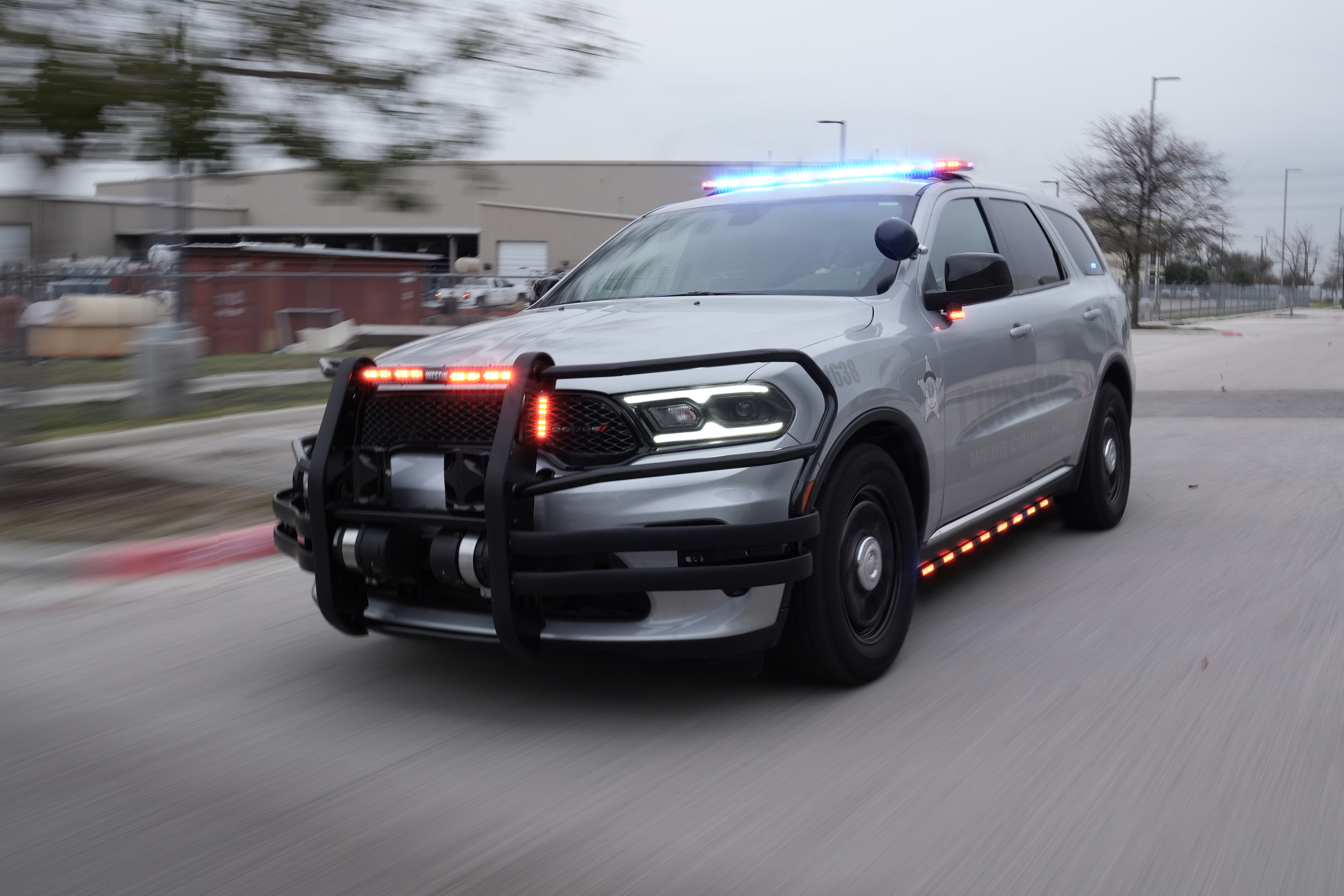
When it comes to emergency vehicle lighting, choosing the right technology can make all the difference in visibility, performance, and long-term value. Understanding the difference between strobes, LEDs, and halogens helps departments make informed decisions that enhance safety on scene.
Halogen Lights
.jpg)
Halogens were once the industry standard. They produce light by heating a tungsten filament, creating a warm, bright output. While affordable, halogens consume more power, generate significant heat, and have a shorter lifespan compared to newer technologies.
Strobe Lights
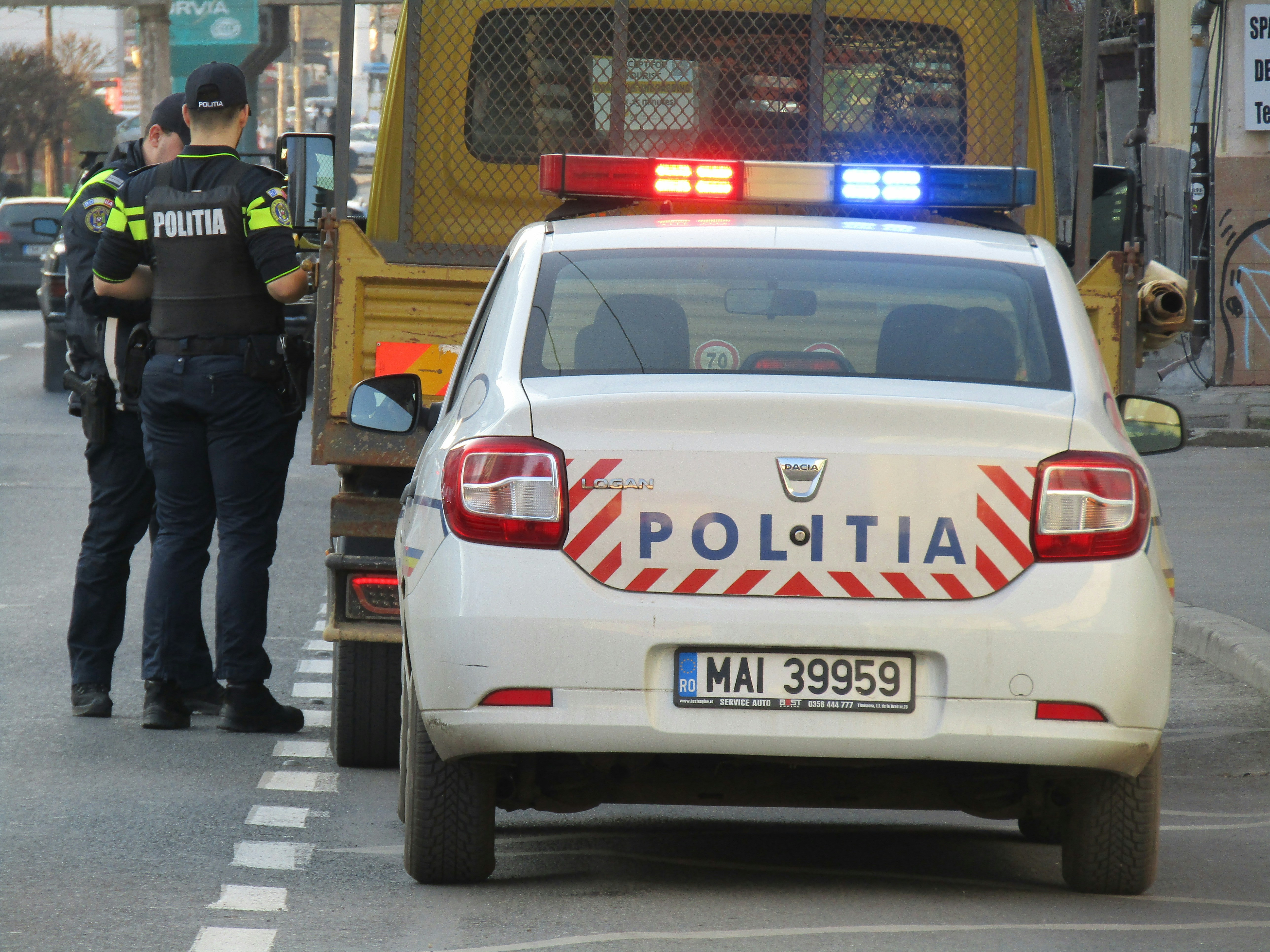
Strobes improved emergency visibility by using a xenon gas flash tube to create intense bursts of light. These flashes are highly attention-grabbing, but traditional strobe systems require external power supplies and more complex installation.
LED Lights
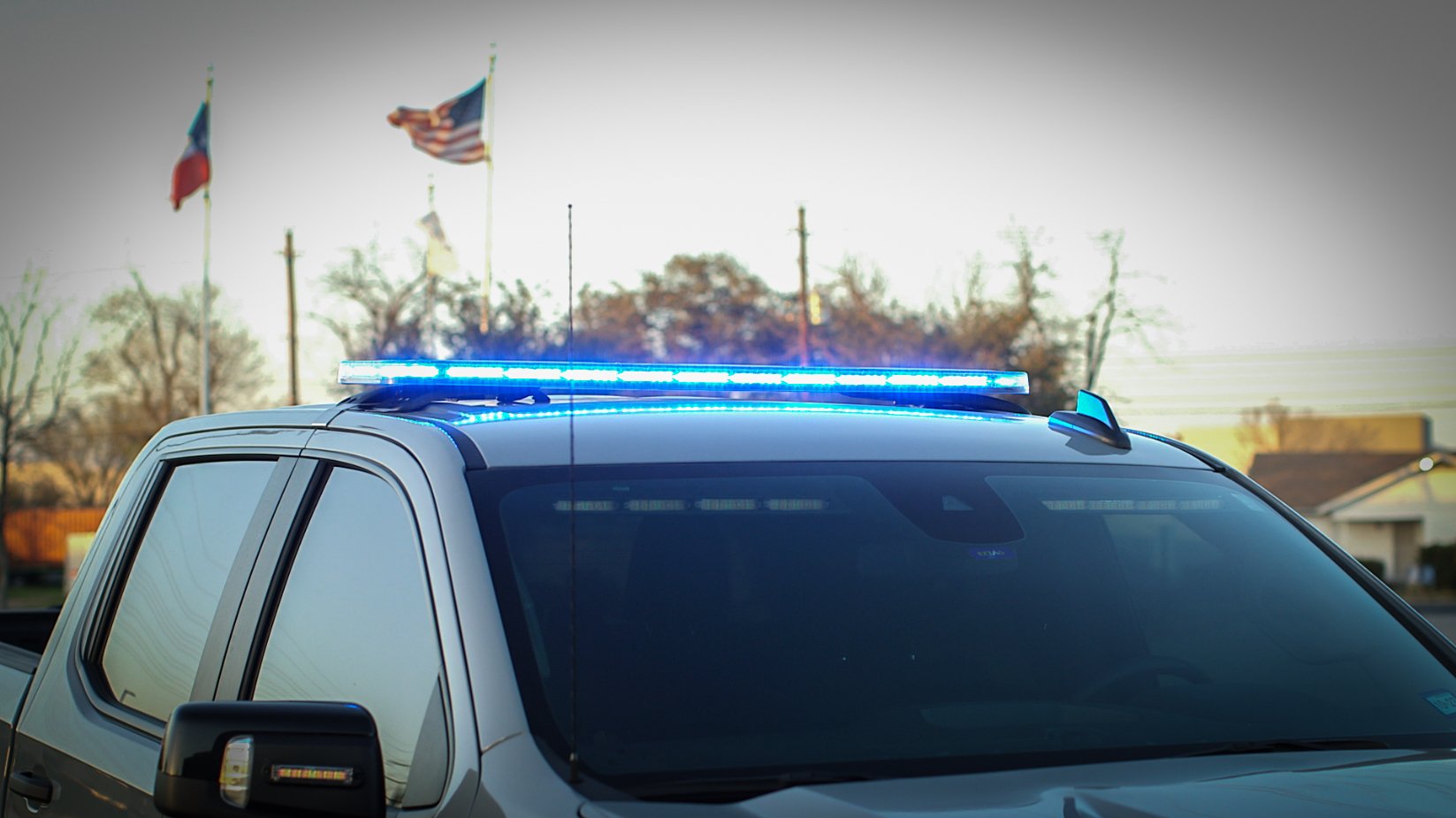
Feniex LEDs
.jpg)
At Feniex Industries, our advanced LED solutions are designed for maximum performance and reliability. Products like the Quantum Lighting Line and the powerful Q Series Lighting Line deliver superior brightness with cutting-edge 5 color technology.
For departments looking to upgrade, Feniex Lights offer a safer, more efficient solution built for today’s first responders. Check out all Feniex has to offer at Feniex.com